Weather Art — 2026-03-17-024653 inspired by Piet Mondrian
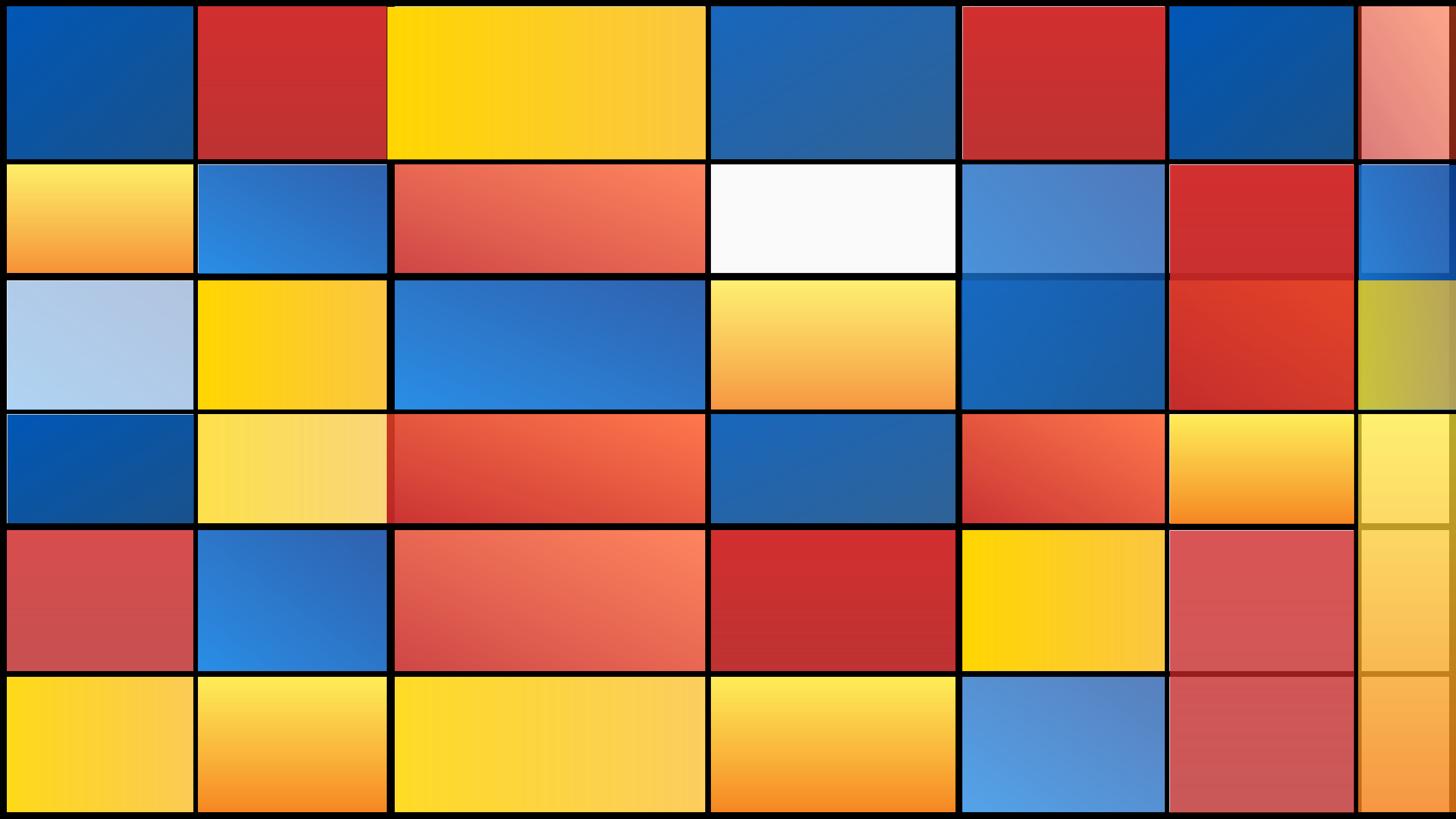
Arctic 60n 130w
Over the remote Arctic waters northwest of Canada's Yukon Territory, where the Beaufort Sea meets endless ice fields, atmospheric extremes create a stark geometric tension. The extraordinarily low pressure system at 873.1 Pa generates dense, weighty compositional blocks, while the gentle easterly wind at 2.9 m/s introduces subtle horizontal movement through elongated rectangular forms. The bitter cold temperature of -11.6 K, though warmer than the regional average, manifests as crystalline blue fields punctuated by warming yellow zones where the high humidity and light precipitation create atmospheric interference.
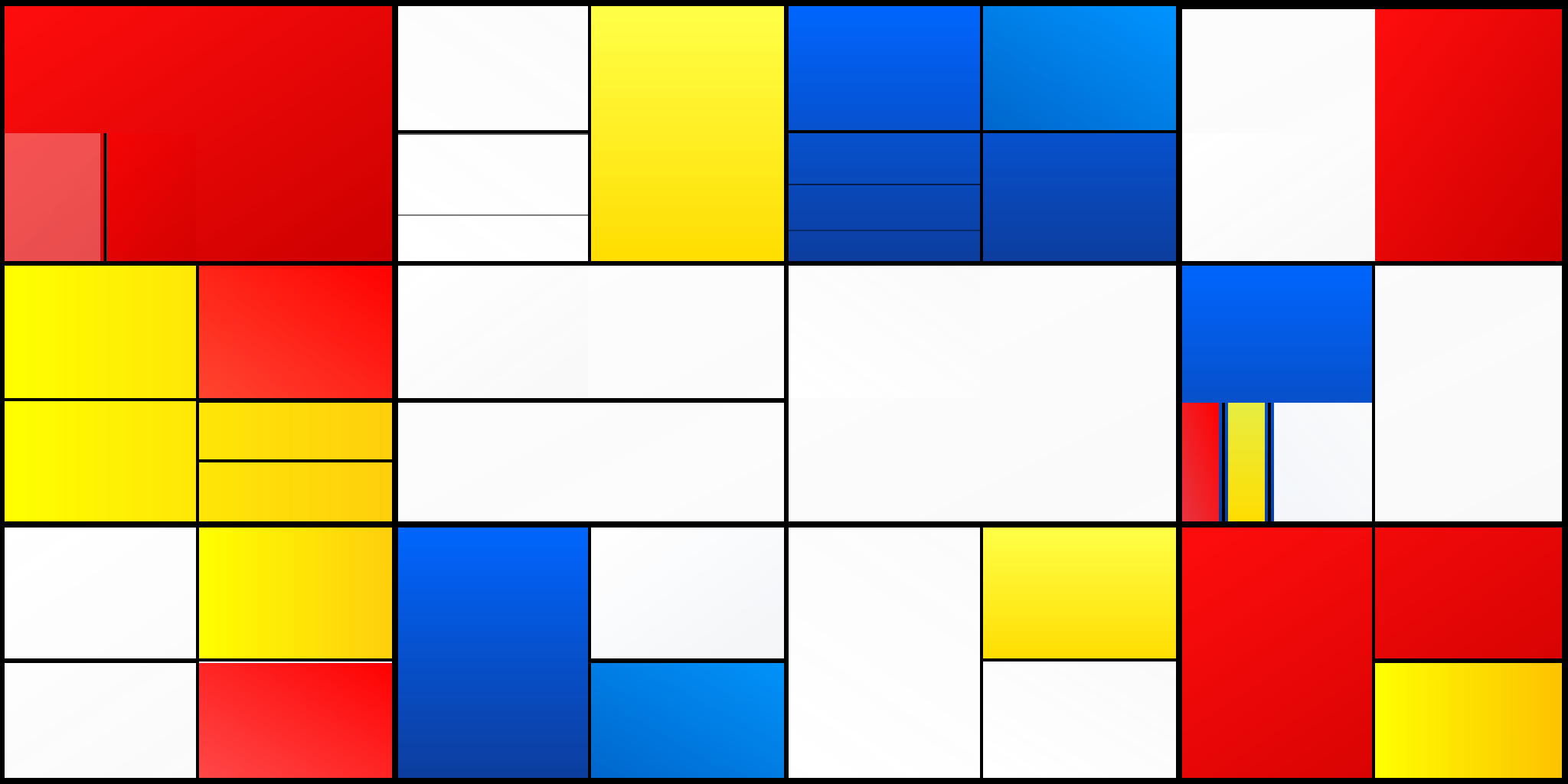
Arctic 60n 70w
Over the frozen waters of Baffin Bay between Greenland and the Canadian Arctic Archipelago, where sea ice meets the harsh polar atmosphere, an unusual warmth anomaly of 41.5 K above normal creates a striking contrast against the extreme cold of -29.5 K. The near-perfect humidity of 99% suggests a saturated atmosphere heavy with moisture, while the gentle wind and stable high pressure create an almost meditative stillness. I've interpreted this through Mondrian's neoplastic principles, using dense geometric fields to represent the atmospheric saturation, with the temperature anomaly expressed through bold primary color blocks that break the expected arctic white, while the stable pressure manifests as strong horizontal divisions suggesting the weight of the atmosphere above this remote polar seascape.
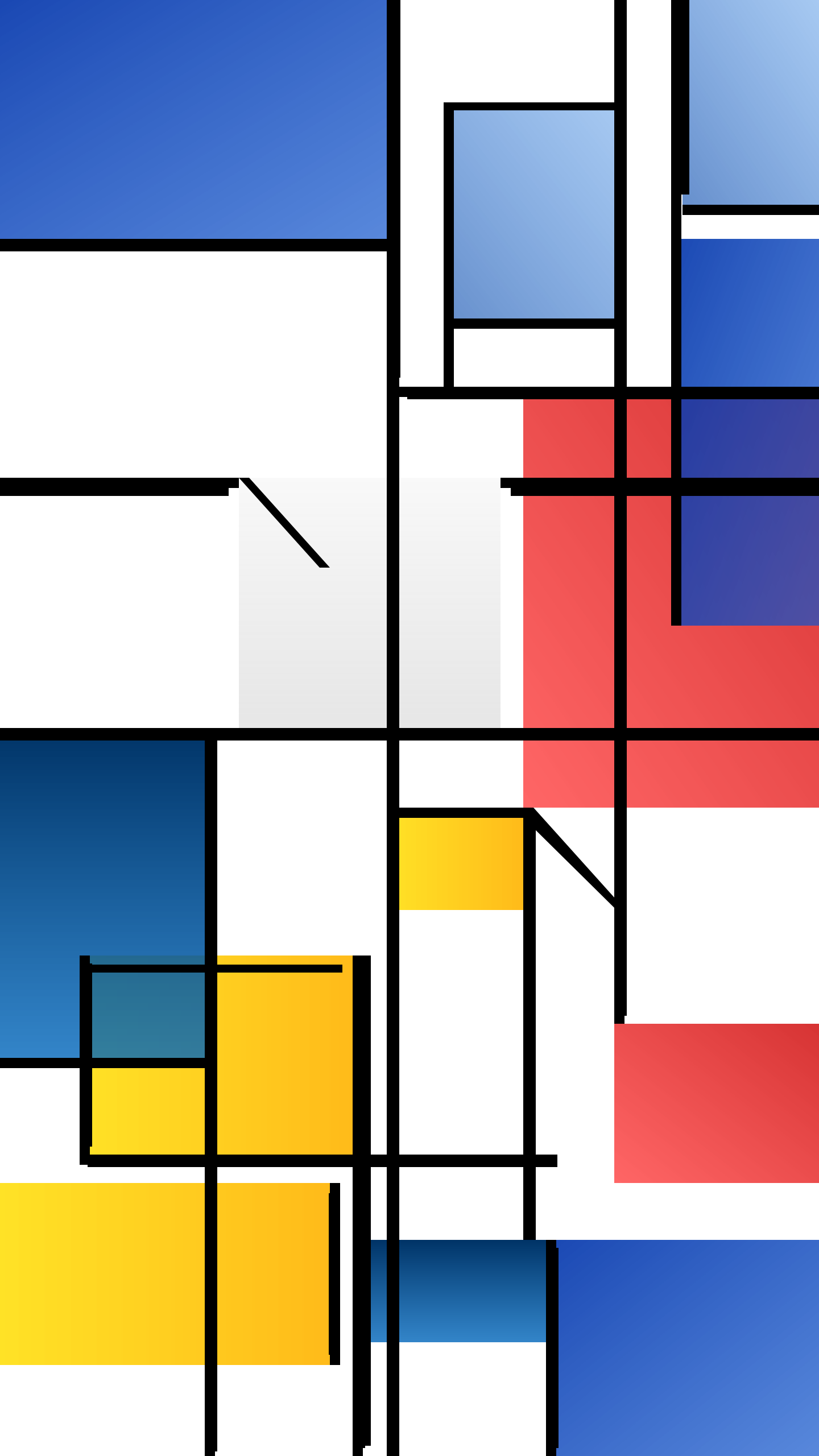
Arctic 70n 20w
Over the Greenland Sea in the high Arctic, where frigid waters meet the polar atmosphere, a powerful low-pressure system churns with near-gale force winds from the north-northwest. The extreme cold combined with very high humidity creates a dense, moisture-laden environment with light precipitation, while the significant temperature anomaly suggests dramatic atmospheric instability. I've translated this into a Mondrian-inspired composition where the strong pressure gradient becomes bold intersecting black lines creating dynamic rectangular fields, the high wind speed drives diagonal energy through asymmetric divisions, and the extreme cold with high humidity manifests as deep blues and stark whites, punctuated by warming yellows and reds that represent the temperature anomaly and atmospheric tension.
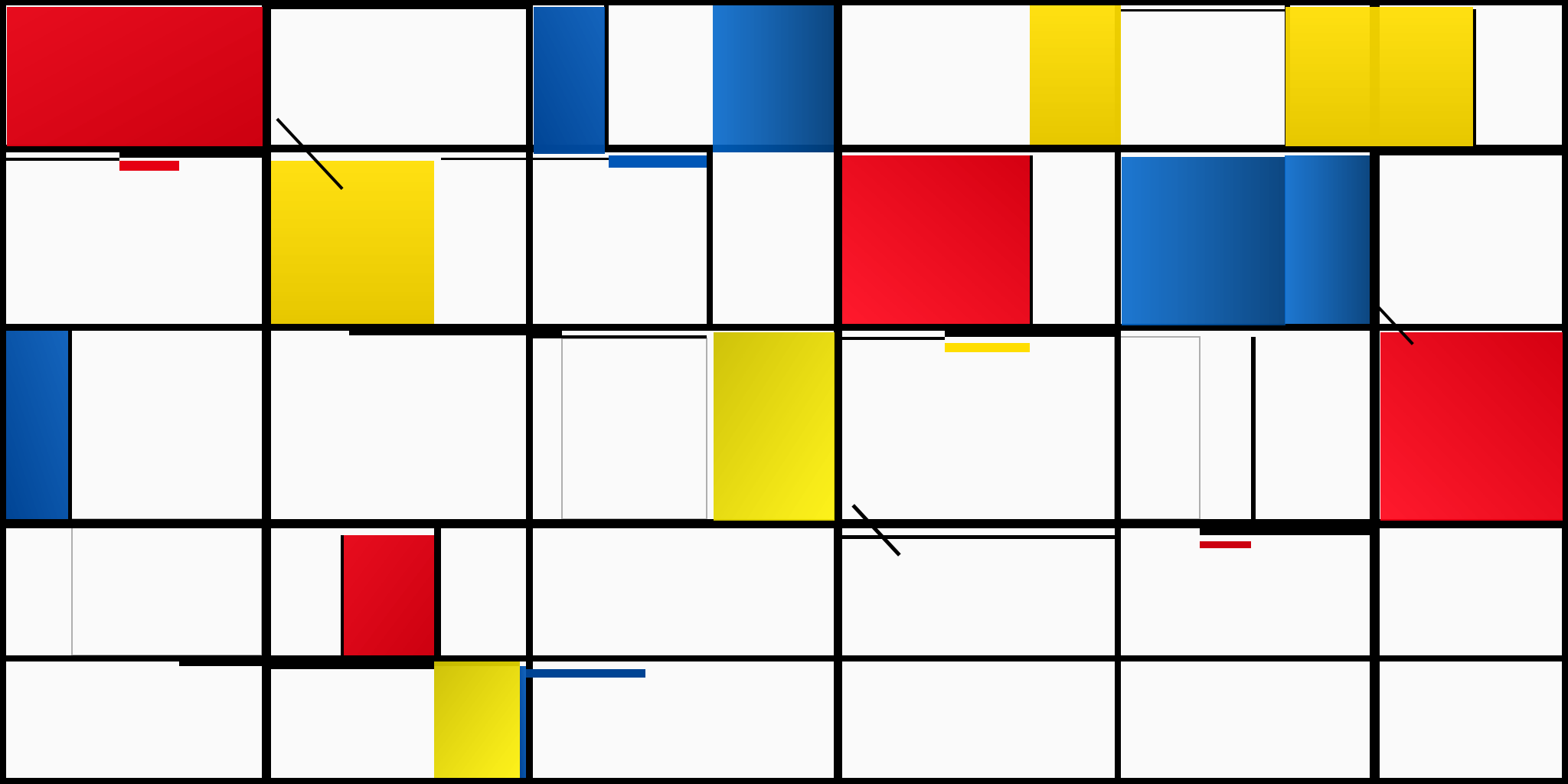
Arctic 70n 60e
Over the Barents Sea northeast of Norway, harsh Arctic conditions create a dramatic atmospheric tableau where extremely cold temperatures meet high humidity and moderate winds. The significant positive temperature anomaly of 27.5K suggests an unusual warming event in this typically frigid region, while the high humidity and light precipitation indicate active moisture transport. I've interpreted these conditions through Mondrian's neoplastic vocabulary, using dense geometric divisions to represent the pressure gradient energy, bold primary color fields warmed by the temperature anomaly, and dynamic asymmetrical balance reflecting the moderate but persistent winds cutting across this Arctic seascape.
Central Asia 45n 50e
Over the windswept steppes of Kazakhstan, where continental air masses collide with moderate intensity, the atmospheric data reveals a dynamic yet structured environment. The moderate wind speeds from the east-northeast, combined with high humidity and light precipitation, create conditions ripe for systematic movement within geometric constraints. The temperature anomaly and substantial pressure gradient inspire a composition where Mondrian's rigid geometry gains subtle kinetic energy through shifted alignments and varied proportions.
Equatorial Atlantic 15n 40w
Over the equatorial Atlantic Ocean, roughly 900 miles west of the Cape Verde Islands, moderate trade winds sweep across warm tropical waters under relatively stable atmospheric pressure. The moderate wind speed of 10.1 m/s creates dynamic energy in the composition through diagonal divisions and offset rectangular blocks, while the steady barometric pressure maintains Mondrian's characteristic structural grid. The warm temperature anomaly and high humidity translate into a dominance of vibrant yellow and red fields with strategic blue accents, representing the tropical maritime environment where warm air masses interact with ocean currents.
Europe 45n 30w
Over the North Atlantic, roughly 600 miles west of the Irish coast, moderate winds from the northwest push through a stable atmospheric zone with rising pressure gradients. The 13.2 m/s winds and substantial pressure gradient create dynamic tension in this composition, expressed through bold diagonal divisions and asymmetric rectangular fields that echo Mondrian's neoplastic principles. The moderate humidity and light precipitation manifest as restrained color placement against generous white space, while the temperature anomaly drives the intensity of the primary color saturation.
Maritime Continent 15s 80e
Over the maritime continent southeast of Java in the Indian Ocean, where warm tropical waters meet complex atmospheric dynamics, moderate winds from the southeast drive energetic but controlled movement through this composition. The elevated sea-level pressure gradient creates tension between geometric forms, while the high humidity and light precipitation soften the typically rigid Mondrian palette with subtle transparency effects. The significant temperature anomaly translates into saturated primary colors that pulse with tropical intensity, balanced by strategic white space that breathes like the ocean's rhythm.
Region 60s 0e
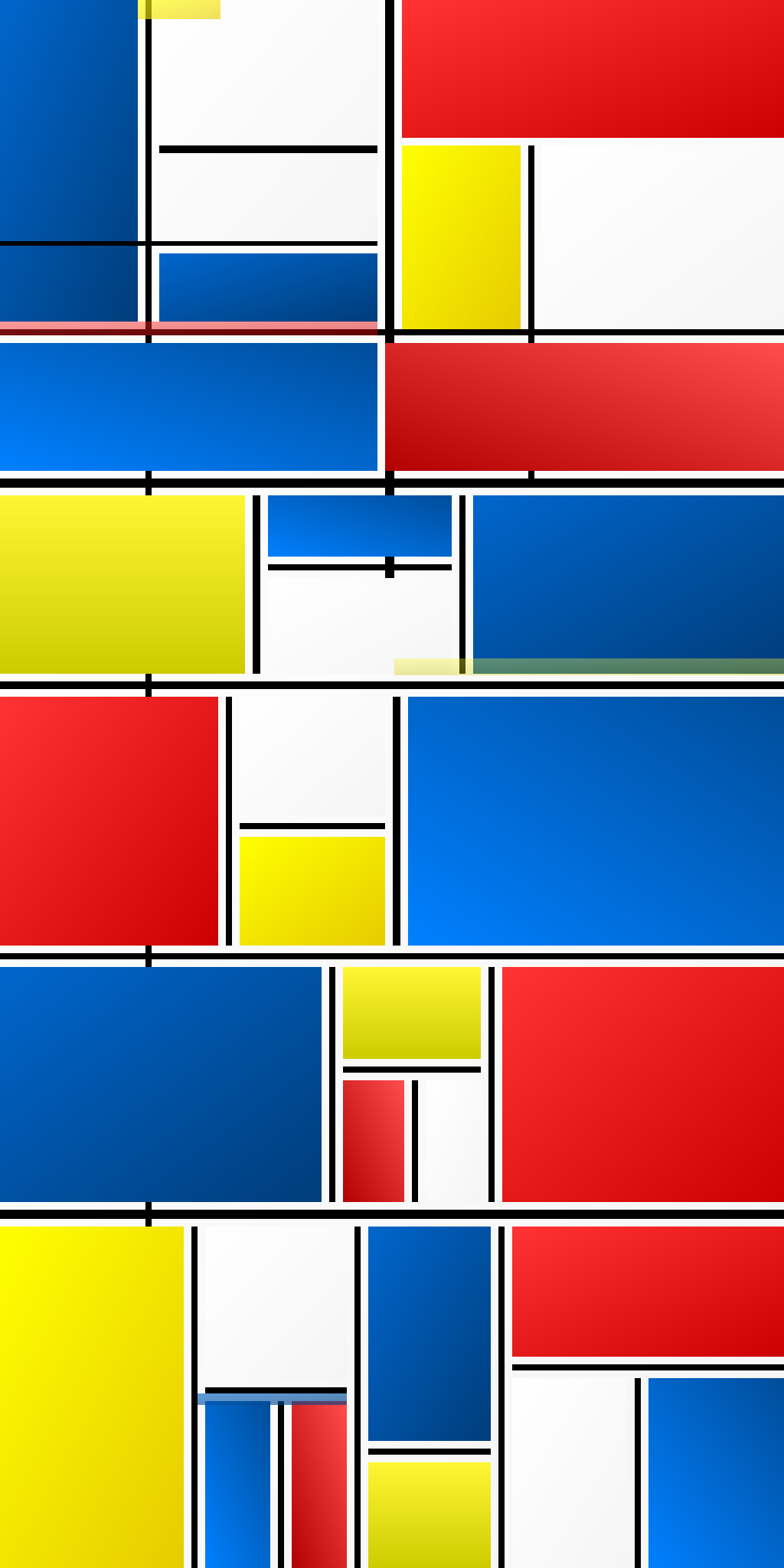
Over the Southern Ocean near the Antarctic coastline at 60 degrees south, fierce westerly winds and relatively high humidity create a dynamic maritime atmosphere despite the freezing temperatures. The moderate wind speed of 11.7 m/s from the southwest drives energetic movement through the composition, while the high humidity and significant temperature anomaly inspire bold rectangular fields of primary colors intersected by strong black dividing lines. The near-freezing conditions and maritime location translate into a composition where deep blues dominate the lower portions, while warmer reds and yellows occupy strategic positions to reflect the surprising temperature anomaly in this polar region.
Tropical South America 15s 70w
This artwork interprets atmospheric conditions over the high Andes of southern Peru or northern Bolivia, where the extreme altitude creates an otherworldly climate with bitter cold temperatures and thin air, yet paradoxically high humidity from nearby cloud formations. The exceptionally low sea-level pressure reading of 636.6 Pa reflects the rarified atmosphere at this mountainous elevation, while the gentle southwesterly wind and absence of precipitation suggest a moment of crystalline stillness in this harsh environment. I've translated these conditions into a Mondrian-inspired composition where the severe cold drives deep blue dominance, the high humidity creates softened edges through subtle gradients, and the light wind energy manifests as delicate asymmetric shifts in the geometric grid structure.